
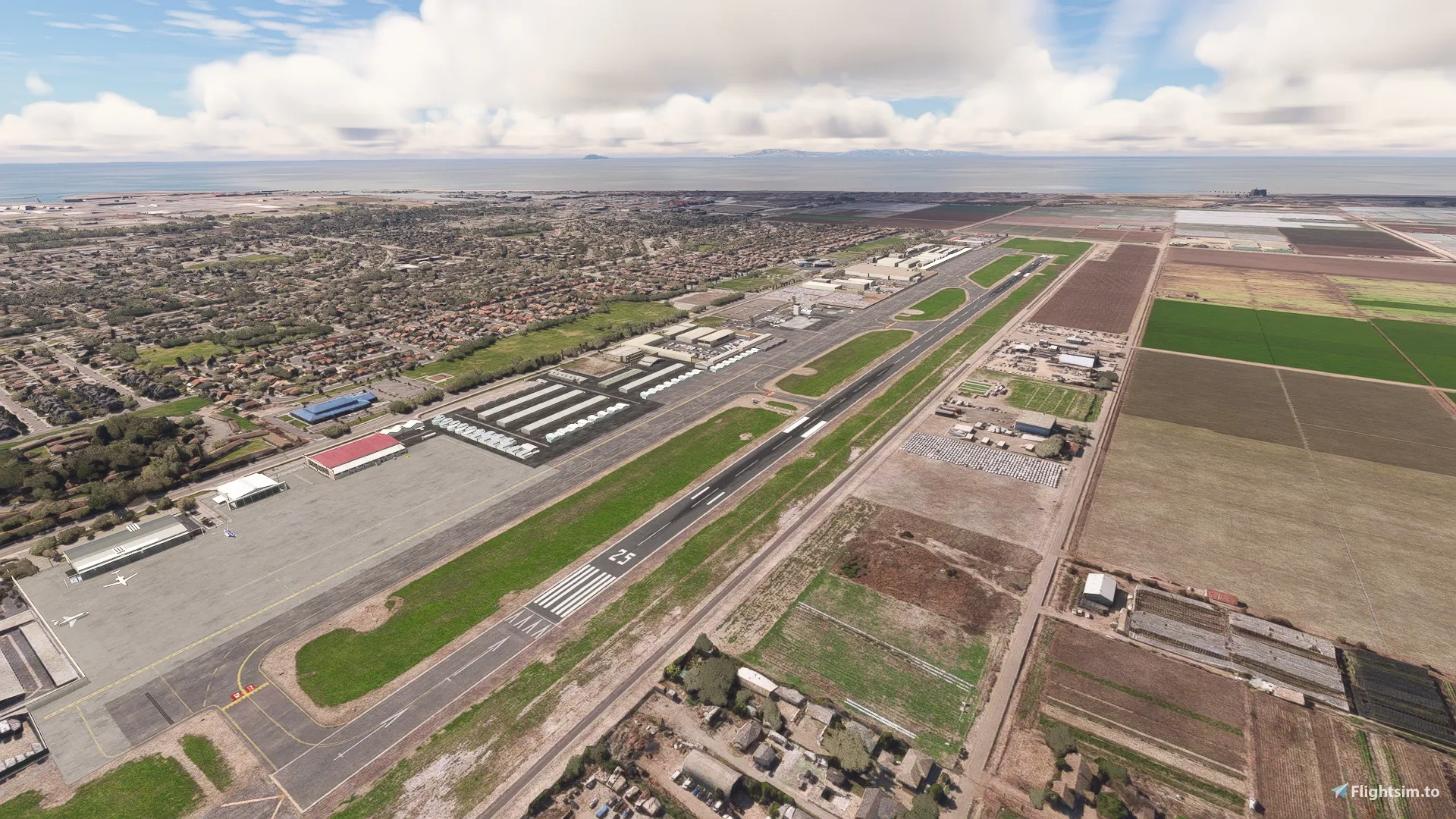
Towered-airport communication
Students learn to listen, organize a radio call, read back instructions, and maintain situational awareness while operating at an active airport.
Hollywood, West Hollywood, Studio City, Los Feliz, Universal City, and Silver Lake residents have easy access to Van Nuys Airport via the 101/170 freeways. KVNY stands as one of the nation's busiest general aviation airports, offering an excellent environment for new student pilots.
Many Hollywood-area students initiate their training with a $199.99 Discovery Flight, which includes a flight duration confirmed before scheduling, a pre-flight briefing, and a post-flight debrief. You will take the controls over the San Fernando Valley to experience real aircraft handling and receive an honest assessment of the requirements for earning a pilot certificate.
Part-time training is well-supported for Hollywood-area students. You may schedule lessons according to your personal or work production schedule and pay per lesson, allowing you to progress at a pace that fits your lifestyle. American Aviation strives to remain both structured and flexible.
Hollywood-area aviation
Hollywood itself does not have a public general aviation training airport. American Aviation operates from Van Nuys Airport (KVNY), a tower-controlled general aviation airport in the San Fernando Valley. Students coming from Hollywood, West Hollywood, Los Feliz, Silver Lake, Universal City, and Studio City can plan around the 101 and 170 corridors without relying on a promised drive time; Los Angeles traffic always varies.
That airport environment gives a new student practical aviation experience from the beginning. Lessons can include preflight inspection, checklist use, taxi procedures, tower communication, traffic-pattern awareness, aircraft control, navigation, and postflight review. The goal is not simply to log hours—it is to understand why each flight lesson supports the next FAA certificate or rating milestone.
Students learn to listen, organize a radio call, read back instructions, and maintain situational awareness while operating at an active airport.
Training near Burbank Class C and beneath the wider Los Angeles Class B environment makes airspace planning and clear communication part of normal instruction.
A lesson begins with the aircraft, weather, fuel, weight and balance, and checklist discipline—not only with the time after takeoff.
American Aviation connects maneuvers, knowledge, risk management, and checkride preparation to the applicable FAA Airman Certification Standards.
Student-first support
Hollywood-area students may work irregular production days, nights, weekends, or project-based schedules. Our flight school can help build a realistic lesson cadence rather than forcing every student into the same calendar. Consistency is encouraged because skills remain sharper between flights, but the plan should still respect work, family, weather, aircraft availability, and budget.
Instructors brief the objective before a lesson and debrief specific strengths and weaknesses afterward. As a student approaches checkride readiness, the school coordinates examiner planning early and targets a practical test after proficiency, required endorsements, independent examiner availability and aircraft readiness are confirmed, weather, and eligibility permit. That timing is a planning target—not a guarantee—and American Aviation does not control examiner calendars or outcomes.
Good flight training is built around the student, not a preset package. At American Aviation, instructors care about progress and use a plan that connects each Hollywood-area lesson to the FAA/ACS standards for your goal.
Start with your availability, experience, and certificate/rating goal. A consistent schedule is encouraged, while the plan remains realistic for work, family, and budget.
Preflight briefing, aircraft handling, radio work, and a focused debrief give each session a purpose. The next lesson follows the skills already demonstrated.
Ground knowledge, maneuvers, and decision-making are developed together. The instructor identifies what still needs practice instead of treating a checkride as a shortcut.
For Hollywood, with students also joining us from West Hollywood, Studio City, Los Feliz students, Van Nuys Airport (KVNY) offers an active Los Angeles general aviation environment where aircraft control, tower communication, and airspace awareness can grow together. Our flight school pairs that environment with transparent, hourly-rate planning and no large upfront commitment.
As checkride readiness approaches, the school plans examiner coordination early and targets a checkride after proficiency, required endorsements, independent examiner availability and aircraft readiness are confirmed, weather, and eligibility allow. This is a planning target, not a guarantee: independent DPE availability and checkride outcomes remain outside the school's control.
Van Nuys Airport is one of the busiest general aviation airports in the United States — and one of the best environments to earn a pilot certificate.
KVNY has a live tower, ILS approaches, and year-round high-traffic conditions. You learn real-world radio communication from lesson one.
Training here means working with Burbank Class C, LA Class B, and diverse terminal area procedures — preparation for flying anywhere in the country.
The San Fernando Valley's inland location provides consistent VFR training conditions, particularly compared to coastal marine-layer airports.
From KVNY you can fly cross-country to Santa Barbara, Camarillo, Bakersfield, Big Bear, Brackett, Long Beach, and beyond — building real navigation skills.
No commercial airline traffic competing for runway time. KVNY is a dedicated GA airport built around pilots like you.
FAA Designated Pilot Examiners (DPEs) are available in the Van Nuys area for all certificates and ratings.
No fuel surcharges. confirm separate charges. No large upfront training loans required. confirm payment terms.
From your first discovery flight through your commercial certificate and flight instructor rating — all based at Van Nuys Airport.
American Aviation is built around a straightforward principle: efficient, structured training that respects your time, your money, and your goals.
Every lesson objective maps directly to the FAA's Airman Certification Standards — the exact document your checkride examiner will use. No filler flights.
You are never wondering when you will be ready. Your instructor tracks your progress against checkride standards and gives you a clear picture at every stage.
Your instructor debriefs every flight with specific observations. What you did well, what needs work, and exactly what your next lesson will address.
No large training loans required. No large prepaid blocks. You schedule and pay per lesson, keeping your investment proportional to your progress at all times.
No runaround, no scripted upsell sequences, no inflated hours. Our instructors teach because they believe in the mission of aviation training done right.
Train twice a week or twice a month — your schedule, your pace. The instruction quality does not change based on how fast you progress through the program.